
 Quevedo Premium Port Calendar: a great Christmas gift?
 Bottega: quality Prosecco and Prosecco Rosé
 Book 5 Index
 951. Mullineux, Syrah Swartland, 2011
 950. W & J Graham & Co, 30 Year Old Tawny Port, NV (2010)
 949. Cartuxa, Pêra-Manca Branco Évora, 2012
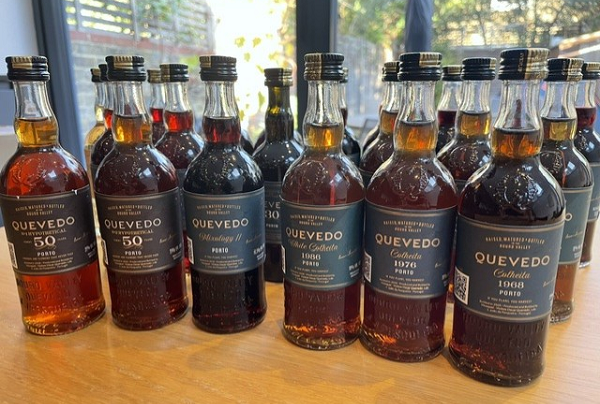
The family-run Port house, Quevedo, have released their annual Christmas calendar for 2026. This has miniatures of 24 Port wines, in the modern mould of advent calendars with things in them. I first came across them in 2020 and bought one, complete with hand-crafted wooden calendar box with 24 drawers, each containing a bottle of a different Quevedo port.
I wrote about that at the time for JancisRobinson.com in The advent of Quevedo (for JR subscribers only). That article recently resurfaced and the team at importers, Vintage Wine & Port, offered me a complementary sample refill pack of the 2026 Prestige releases, priced at the time of writing at £245, on offer from £275 (there’s also a less expensive refill pack of less premium wines at just £79.95).
Here are my tasting notes and thoughts on the 2026 edition.
Summary: a display of innovation
The original idea was a forward-thinking one, capitalising on the growing trend of adult advent calendars, as many beer brewers have done. The 2026 edition doubles-down on that with a distinct theme of innovation within it, whether barrique-matured examples or blending components to explore. This would certainly suit intrigued Port drinkers looking for something different. While not every wine is a great one, there are many gems to be found.
Is it a good gift?
The question is not so much ‘is it a good gift?’ but ‘who is it a good gift for?’.
First, and perhaps obviously, the recipient must like Port. A lot.
The offer lists 22 x 10cL bottles and 2 x 9cL, representing almost 2.4L of Port! Ranging from 19% to 21% ABV, that’s a solid tranche to work through.
But, within that, this will be of particular interest to explorers.
Anyone looking to walk through the world of Port wines. Anyone who wants to something of an inside understanding of how Ports come to be what they are. Anyone who’s open to something different. This is a result of the selection including:
- A full range of styles: bottle-matured Ruby, Crusted, LBV and Vintage; wood-matured Tawnies of both age-dated NV blends and vintage-specific Colheitas, as well as White Port equivalents
- A wide range of vintages: while there’s a theme of years ending in 6, to fit with the 2026 release, including 1976, 1986, 1996, 2006 and 2016 wood-aged White and Tawny Colheita Ports, there are also a myriad of other vintages showing variation. Compare the 2011 with the adjacent 2009 or 2013 Colheitas, for example. Years represented stretch from the 1968 Colheita to 2024 Vintage
- Innovative production: the Mosaic pair, made from blends of 47 and 63 grape varieties respectively, sourced from experimental vineyards; versions of some of the wines aged in 225-litre barriques, to compare this different approach to the traditional, larger, slower-maturing, 600-litre Port pipes
- Blending insights: inclusion of 3 blending components of 50-year-old White and “hypothetical” blends of 50-year-old Tawny to demonstrate how the art of blending different barrels is used to build many Ports
It is not just the curation of the collection that makes it a worthy gift, it’s also the packaging.
The premium version, with the wooden box, looks great. At our house, it’s been transformed into an advent calendar for our 4-year-old, as the drawers are great for a selection of small toys, but either way, it’s nicely made and we’ve kept it for a reason.
Even if you’re just looking at the refill pack, the individual bottles are very well presented, with high-quality labels and monogrammed, 10cL glass bottles – the latter a new innovation, with previous editions bottled in simpler, 9cL bottles.
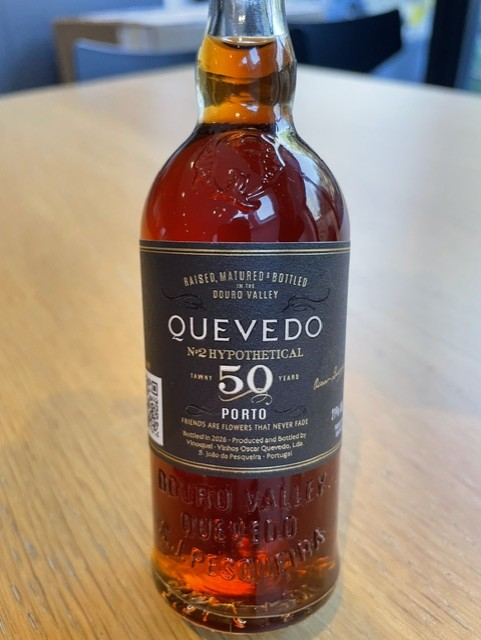
The only drawbacks are that some of the label colour schemes can make them hard to read – small-font, gilded lettering on a pale ochre-brown background doesn’t exactly scream ‘accessibility’ – and, for 4 out of 24 screwcaps, the tamper-proof ring didn’t release properly, needing careful application of a sharp knife to open them.
Each label has a QR code on it which takes you to a few-minute YouTube video for that Port wine, introduced by Oscar Quevedo Jr – an early innovation which continues, bringing greater depth to the gift. This is thoughtful and well put together, including historical, cultural and viticultural discussion of the region as well as just the wines themselves.
This year they filmed in the wine museum at São João da Pesqueira, close to Quevedo’s winery at Quinta Senhora do Rosário.
Are the Ports good?
There are excellent Ports among this selection, especially the older Colheitas and age-statement White and Tawny Ports. There are misses alongside the hits though, which is perhaps to be expected, given that the collection starts with the relatively short-aged Mosaic Barrica pair and ranges up to the 58-year-old 1968 Colheita Tawny.
Overall, the selection is a solid one, with plenty of scores in the early 90s out of 100 (16-16.5 / 20).
Some of the innovations come off. The Barrica Colheita 2016 I describe as “Atypical but well done”, and there’s nothing wrong with doing something different when it works. By contrast, the Mixology II wasn’t quite there for me. Nice, but not more than that – though perhaps overshadowed by the wines tasted before it.
Stylistically, I found myself using “roasted”, “baked” or “smoky” quite often. This is likely the famed “Douro bake” for Ports that are both made and matured in the hot Douro valley itself, as Quevedo do. The big houses traditionally shipped Port pipes down to the coastal city of Porto (strictly, Vila Nova de Gaia) to mature more slowly in the cooler, maritime climate there. Incidentally, Quevedo do have a Lodge in Gaia – a converted cooperage that acts as wine bar and tasting room, rather than maturation lodge.
I also found a fair number of the wood-aged Ports carrying quite a bit of tannin. As such, I have put drinking windows on these wines. Arguably, you could simply say “drink anytime” as wood-aged Ports are generally considered not to improve in bottle and are oxidatively stable. And yet, on one or two of these, I do wonder if they might be better in a year or two?
That tasting these wines raised some interesting, intellectual questions for me probably underlines how an engaged wine explorer would appreciate this selection.
Tasting notes and scores
These are presented in the calendar order, 1st to 24th December. Scores are given on both the 20-point and 100-point scales. Technical information, in italics, is summarised from the wines’ accompanying YouTube videos:
Quevedo, Mosaic Barrica Exp 06 White Port, NV (2026) (15 / 20, 87 / 100, 2026-27)
Blend of 47 varieties from an experimental field owned by the Ministry of Agriculture. Foot trodden in lagar then matured in stainless steel tanks for two years. Part was then bottled as Mosaic White, but part or the remaining white was then aged for around a year in cask to create the Barrica version, giving the deeper colour rather than straw-yellow of a young White Port. 19% ABV.
Pale-mid gold, with an amber hue. Muted nose of cooked, yellow stone fruit, some vanilla fudge and a dried herb note. Sweet and simple palate, with a touch of brown-spice complexity. Warming finish, showing its 19%. I’d want a little more from this.
Quevedo, Mosaic Barrica Exp 07 Ruby Port, NV (2026) (15.5 / 20, 88 / 100, 2026-28)
Blend of 64 red grape varieties from an experimental field owned by the Ministry of Agriculture, bought by Quevedo by auction. Varieties including those considered less good quality. Foot trodden in lagar then matured for two years in stainless steel to create Mosaic Ruby. But a portion was held back to mature for an additional year in cask, which will ultimately go onto become a Tawny. Oscar believes this is the Port made with the highest number of grape varieties. 19% ABV.
Mid-deep ruby-garnet. Restrained, smoky, baked red fruit nose with a spirity lift, some roasted spice notes and a touch of fig. More dried than fresh red fruit beneath. Sweet, but not overly so, with light-to-moderate, chalky tannins that make this readily approachable. Definitely a different take on Ruby.
Quevedo, Colheita Tawny Port, 2006 (16 / 20, 91 / 100, 2026-28)
20 years in barrel. 20% ABV.
Mid garnet with a brick tinge. Milk chocolate, fudge, Christmas cake and a blend of prune and fig. Fully sweet with notable, powdery tannins and a wood-spice mid-palate. Some warmth to the finish and a touch of coffee-style bitterness. Decent length though.
Quevedo, Colheita Tawny Port, 2009 (16.5 / 20, 92 / 100, 2027-30)
“A bit of a teenager; not as round as it will be in a decade”. 20% ABV.
Pale-mid brick-garnet. Restrained, slightly smoky, roasted nose with dark chocolate and wood-spice, and a vanilla hint. Rich and full but still with notable, powdery tannins, and an espresso touch through the good-length finish. Moreish in its dried-black-cherry-and-fig fashion.
Quevedo, Colheita Tawny Port, 2011 (16+ / 20, 91+ / 100, 2030-35)
Reflects the 2011 vintage in the Douro with high concentration and fruit intensity. 21% ABV.
Mid-deep ruby-garnet – lots of colour for a wood-aged Port, even if only at 15 years post-harvest; perhaps belying the greatness of the year (as a widely-declared, top-quality Vintage year). Evident vanilla, banana, orange peel and coriander seed mark this out as utterly different from the 2006 or 2009 tasted before it (and the 2013 and so on tasted subsequently). Some cinnamon and clove, and dried blackberry fruit, in a thick and intense style, with quite firm tannic structure and evident alcohol. I would hold this in cask to mellow longer or maybe see its bottle evolution (!).
Quevedo, Colheita Tawny Port, 2013 (15.5 / 20, 88 / 100, 2026-27)
13 years old. 20% ABV.
Mid brick-garnet. Light nose of baked red fruit, Christmas cake and a touch of fig. Moderately sweet by Tawny standards. Some phenolic chew and evident alcohol. Moderate length, though no greenness as I’ve seen with some other 2013 Colheitas.
Quevedo, Colheita Tawny Port, 2015 (16 / 20, 90 / 100, 2026-29)
Would not normally be bottled at this age as it has greater potential but is instead a special edition for the Prestige calendar. Needs 10 years or more further ageing for a commercial bottling.19.5% ABV.
Mid-deep garnet. Milk chocolate, subtle, dried black and blue fruit, with some dried herb and slate minerality. Svelte and refined, with fine-grained, moderate tannins. Fair alcohol integration and length is OK. Still showing some LBV or Ruby character, almost like a bottle-aged x wood-aged Port crossover.
Quevedo, Casco Colheita Tawny Port, 2016 (16 / 20, 91 / 100, 2026-30)
Aged in 600L cask, giving slower oxidative ageing. 19.5% ABV.
Mid-deep garnet. Some fresh earth notes and perhaps a touch of VA? Old leather, fig and other dried fruits, with subtle Christmas cake tones. Full bodied and fairly sweet, this has notable, but ripe, cocoa-powder tannins. Fairly long, with an appealing, brandied note at the finish.
Quevedo, Barrica Colheita Tawny Port, 2016 (16.5 / 20, 92 / 100, 2026-32)
Aged in 225L barrique, giving faster ageing. 19.5% ABV.
Mid garnet with some brick tones. Smoky touches then fudgy clove, with fig and milk chocolate. More advanced on the nose than the Casco 2016 tasted alongside, but evidently more tannin, with a chalky texture typical of oak tannins. Dried and roasted black fruit through the good-length finish. Atypical but well done.
Quevedo, Late Bottled Vintage Port, 2020 (15.5 / 20, 89 / 100, 2026-29)
9cL using bottle format from previous calendars. 19.5% ABV.
Deep black-ruby. Stewed blackberries and blackcurrants with a baked edge, some floral lift and a touch of baking spice. Fairly sweet with quite refined tannins. A somewhat spirity finish.
Quevedo, Our Next Crusted Port, NV (2026) (16 / 20, 91 / 100, 2026-32)
Will be released in 2029 as the next edition of their Crusted Port blend. Blend of Vintage Port sediments, blended, settled and aged for 3 years before sale, hence not yet released. 19.5% ABV.
Deep black-purple – distinctly youthful. Orange peel, rose and violet, and a baked blackberry note, overlayed with clove and dark chocolate. Quite firm, cocoa-powder tannins. Some alcohol, but quite well integrated, and a good-length, refined finish.
Quevedo, Vintage Port, 2024 (17 / 20, 94 / 100, 2038-50)
Foot trodden in lagar. 19.5% ABV.
Deep black with a purple rim so narrow as almost to be non-existent. Celery seed, baked plums, dusty spices and a leafy touch. Full bodied, but moderately sweet. Firmly structured with more evident violet floral character on the mid-palate. Long, though the alcohol is there too.
Quevedo, Quinta d’Agadinho Casco 04 Colheita Tawny Port, 1996 (16.5 / 20, 92 / 100, 2026-28)
Single cask, number 4, of 1996 Colheita from Quevedo’s Quinta d’Agadinho, aged 30 years. 20% ABV.
Pale-mid brick-garnet. Aromatic, with a fudgy, Christmas-cake-led nose, some coffee-cream notes and mellow, dried red fruit. Nicely integrated brandy notes. Sweet, but with an appealing, balancing acidity. Subtle, chalky tannins give structure. A decent-length, quite well-integrated finish.
Quevedo, Quinta d’Agadinho Casco 14 Colheita Tawny Port, 1996 (16 / 20, 91 / 100, 2026-30)
Single cask, number 14, of 1996 Colheita from Quevedo’s Quinta d’Agadinho, aged 30 years. 20% ABV.
Slightly paler than Casco 04. More leathery with dark chocolate overtones over Christmas spices. Firmer tannins and more overt spirit. You can see how this would add to a blend with 04, but not be the leading element.
Quevedo, 30 Years White Port, NV (2026) (16.5 / 20, 92 / 100, 2026-28)
9cL bottle. 19.5% ABV.
Pale-mid amber-orange with a slight haze. Vanilla, cinnamon and almost a celery seed spice note, with honey, caramel and dried peach. Sweet but with good freshness. Some tannic grip too. Decent length and well-integrated alcohol, albeit a little drying on the finish.
Quevedo, Component A 50 Years White Port, NV (2026) (16.5 / 20, 92 / 100, 2026-28)
Deconstruction of their 50 Years White Port, which was shown in the 2025 selection. 19% ABV.
Slightly hazy, foxy-amber. Restrained, spiced fudge with a coffee overtone and some dried tobacco. Showing freshness and acidity, light tannins and a caramel-fig flavour. A ‘freshness’ component? Moderately long.
Quevedo, Component B 50 Years White Port, NV (2026) (16.5 / 20, 93 / 100, 2026-28)
Deconstruction of their 50 Years White Port, which was shown in the 2025 selection. 19% ABV.
Bright, mid fox-amber. Toasted bread, wood spice, fig and other, more overt dried fruit along with milk chocolate. Rich and sweeter than A, with moderate, refined tannins and good length. The ‘fruit’ component?
Quevedo, Component C 50 Years White Port, NV (2026) (17 / 20, 94 / 100, 2026-28)
Deconstruction of their 50 Years White Port, which was shown in the 2025 selection. 19% ABV.
Bright, pale amber-russet. Definitely paler than A and B. Fudge and some mahogany notes, with mellow, dried fruit beneath and Christmas cake notes. Sweet, figgy and caramelised with perhaps more tannins and a little more overt oak. Great length. The ‘length / substance’ component?
Quevedo, No. 1 Hypothetical 50 Years Tawny Port, NV (2026) (17 / 20, 94 / 100, 2026-32)
Alternative potential blend of a 50-year-old Tawny. 21% ABV.
Pale fox red, with an even colour. Smoky walnut, baked bricks, fig and dried cherries with wood-spice and Christmas cake. Richly sweet and full bodied, with toffee, caramel, Christmas spices and fig. Long, with pretty well-integrated alcohol.
Quevedo, No. 2 Hypothetical 50 Years Tawny Port, NV (2026) (17.5 / 20, 95 / 100, 2026-32)
Alternative potential blend of a 50-year-old Tawny. 21% ABV.
Pale-mid tawny with an amber-olive rim. Smoky-slatey nose with a savoury overtone. Integral brandy, dark chocolate, vanilla, mahogany and old tobacco, wrapped around spiced figs. Rich and full-bodied, with a juicy, fruity core and a good-length, integrated finish.
Quevedo, Mixology II Port, NV (2026) (16 / 20, 90 / 100, 2026-28)
Successor to Mixology I. A tank of cask sediment, left over after racking, was settled and bottled for the Port calendar. Mixology fits somewhere into Tawny style with an age indication, as it is 3 years of age, but not a specific Port category. 19.5% ABV.
Mid brick-garnet. Liquorice root, melted chocolate, dried black cherries, raisins and figs, with cakebread and toasted cinnamon. Somewhat alcoholic, with a little tannic bite – the alcohol is particularly marked after fine, 50-year-old Tawnies. Young and mature together. A bit hit-and-miss.
Quevedo, Colheita White Port, 1986 (17.5 / 20, 95 / 100, 2026-32)
40 years of age. From 1986, Port was able to be exported directly from the Douro rather than only from Vila Nova de Gaia, opening up markets for Quevedo, so an important year for the family. 19% ABV.
Pale russet – almost carrying some redness, rather than just amber. Broad and mellow nose with gently toasted nuts, old wood, integral baking spices, subtle caramel and a savoury, wet-stone note. Mid-weight and quite sweet but not fully so, in context. A spiced caramel and background dried stone fruit note, carrying though to the great-length, white-chocolate finish. A triumph of aged white Port.
Quevedo, Colheita Tawny Port, 1976 (18 / 20, 96 / 100, 2026-30)
50 years of age. Commercial bottling 3 years before, all now sold. 20% ABV.
Pale-mid fox red with a medium rim. Fudgy oak, Christmas cake, incense, old leather, fig and milk chocolate. Fully sweet but with a core of freshness giving lift. Melted tannins and a glorious, peacock’s-tail finish, spreading with sweet spices, hazelnuts and chocolate.
Quevedo, Colheita Tawny Port, 1968 (18.5 / 20, 97 / 100, 2026-30)
21% ABV.
Mid russet-brown with an olive rim tinge. Mahogany, old leather, figs, cooked citrus, walnuts, Christmas cake and chocolate fudge. Intensely sweet and powerful palate. Highly concentrated, with the alcohol to match. Superb depth and intensity that belies its 58 years of age. The concentration is almost too much! Incredible length though. The power perhaps leaves it at 18.5 / 97 rather than 19 / 98 points. Either way, superb.
Leave A Reply